Claim a Free Estimate Today
A Step-by-Step Guide to Success
Plan Your Land Clearing Project
Assess Your Property and Define Project Goals
Before any machinery arrives on site, conduct a thorough walk-through of your property to identify what you are working with. Document the density of vegetation, note areas with mature trees versus brush, and mark any structures, utilities, or sensitive features you want to preserve. Understanding the full scope helps you communicate clearly with contractors and ensures you allocate the right resources from the start.
In Sulphur and the surrounding Lake Charles area, properties often include a mix of hardwoods and fast-growing brush that thrive in our humid subtropical climate. During late summer and early fall, overgrowth can become particularly dense after months of rain and heat, so timing your assessment when visibility is best will help you spot boundary markers, drainage paths, and root systems more easily. If your project involves removing large trees or stumps, professional tree removal service teams can evaluate structural risks such as leaning trunks or root rot before clearing begins.
Define your end use clearly: Are you preparing the site for construction, creating pasture land, installing a pond, or simply opening up overgrown acreage? Each goal dictates a different clearing approach. Residential projects may require selective clearing to preserve shade trees and natural windbreaks, while commercial developments often need complete removal and grading. Write down your priorities, budget range, and timeline so every decision moving forward aligns with your vision. This upfront clarity reduces costly changes mid-project and ensures your land is prepared exactly as you need it.
Evaluate Site Conditions and Environmental Factors
Site conditions directly influence which equipment you will need, how long the project will take, and what challenges you may encounter. Test soil composition to determine drainage characteristics and load-bearing capacity. Clay-heavy soils common in southwest Louisiana can become waterlogged quickly, making it difficult to operate heavy machinery during wet months. Sandy or loamy areas drain faster but may require additional compaction after grading to support structures or driveways.
Check the topography for natural drainage patterns, low-lying areas that collect water, and slopes that may require erosion control measures once vegetation is removed. Properties near Moss Bluff or Westlake often have subtle elevation changes that become significant once tree cover is gone. If your project involves excavation services or grading work, understanding these contours upfront allows your contractor to plan proper water management and prevent future flooding or pooling.
Identify any protected species, wetlands, or floodplain zones that may require permits or special handling. Louisiana has specific regulations governing work near waterways and certain tree species. Survey your property for underground utilities, septic systems, or old wells that could be damaged during clearing. Contact local utility companies to mark lines before any digging begins. Taking time to map these environmental and regulatory factors now prevents expensive delays, fines, or damage claims later. A qualified site preparation contractor can help navigate these requirements and ensure your project remains compliant from day one.
Secure Permits and Choose the Right Equipment
Most land clearing projects in Calcasieu Parish require at least a building or land disturbance permit, especially if you plan to change drainage patterns, remove significant tree cover, or prepare for construction. Contact your local parish planning department early to understand which permits apply to your project. Processing times vary, and starting without proper authorization can result in stop-work orders or fines that derail your schedule and budget.
Selecting the right equipment depends on your project scale and site conditions. Small residential lots with light brush may only need a skid steer or compact excavator, while large acreage with mature hardwoods requires bulldozers, forestry mulchers, and possibly crane-assisted tree removal. For properties with stumps that need removal, professional stump grinding service teams use specialized machinery that eliminates roots below grade, preventing regrowth and leaving a clean surface ready for grading.
If you are hiring a contractor, verify they carry proper licensing, insurance, and have experience with projects similar to yours. Ask for references, review recent work, and confirm they own or lease well-maintained equipment suited to your soil type and terrain. In the Lake Charles area, summer heat and afternoon thunderstorms can affect machinery performance and scheduling, so choose teams familiar with operating in Louisiana’s climate. For do-it-yourself projects, renting equipment may seem cost-effective, but operating heavy machinery safely requires training and experience. Weigh the risk of property damage, personal injury, and project delays against the value of hiring qualified professionals who bring the right tools and knowledge to complete the job correctly the first time.
Plan Your Execution Timeline and Workflow
A realistic timeline accounts for weather, contractor availability, permit processing, and the natural sequence of clearing tasks. In southwest Louisiana, plan around the rainy season, which typically peaks in spring and early summer. Wet ground conditions slow equipment, increase rutting, and can make grading nearly impossible. Fall and winter months generally offer drier, more stable working conditions, though occasional cold fronts can bring rain as well. Build flexibility into your schedule to accommodate weather delays without pushing your entire project off track.
Break the project into logical phases: tree and brush removal first, followed by stump grinding, then rough grading, and finally finish grading and any erosion control measures. If you need tree services to selectively remove or trim certain specimens before clearing, schedule that work early so crews can access trees safely. Coordinate debris removal promptly to keep the site clean and prevent fire hazards, especially during dry periods.
Communicate your timeline clearly with contractors and confirm their availability in writing. Establish milestones and inspect progress at each phase before moving forward. This phased approach allows you to catch issues early, adjust plans if conditions change, and ensure quality at every step. If your project includes follow-on work like installing a pond, laying driveways, or building structures, coordinate those contractors in advance so the grading contractor can prepare the surface to the exact specifications needed. Proper sequencing and communication prevent rework, reduce costs, and keep your project moving smoothly from start to finish.
Inspect Results and Maintain Your Cleared Land
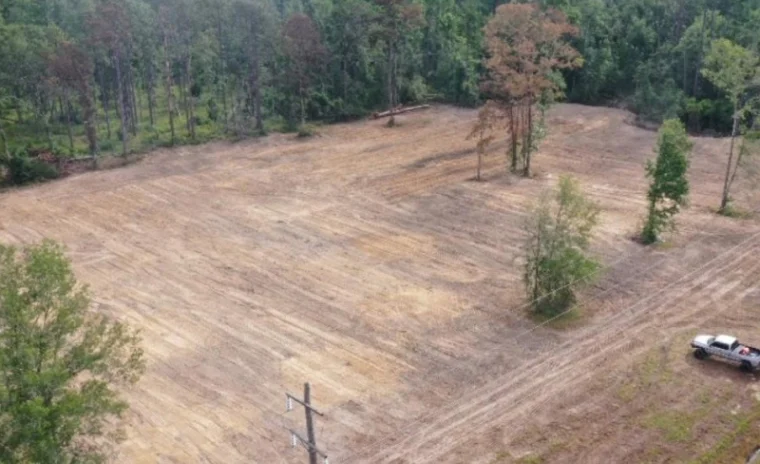
Once clearing is complete, walk the entire property to verify all work meets your specifications. Check that stumps are ground to the agreed depth, grading follows the planned contours, and drainage flows properly away from structures or low areas. Look for any remaining debris, protruding roots, or uneven spots that could cause problems later. Address these issues immediately while equipment is still on site, as bringing crews back later adds cost and delays your next steps.
In the humid climate around Sulphur and Westlake, cleared land can quickly sprout new growth if not maintained. Plan for follow-up mowing, herbicide application, or mulching to control regrowth, especially during the growing season. If you preserved certain trees, inspect them for damage from nearby clearing work and consider follow-up care such as tree trimming service to remove broken limbs or shape canopies that were previously hidden by surrounding vegetation.
Document the final condition with photos and notes, especially if you plan to build or develop the site. These records provide a baseline for future projects and can be valuable if disputes arise or if you need to demonstrate compliance with permits. Establish a maintenance routine suited to your end use: pasture land may need periodic mowing and fertilization, while construction sites require erosion control and grading touch-ups before building begins. Proper post-clearing care protects your investment, prevents costly corrections, and ensures your land remains ready for its intended purpose. If you need ongoing support, partnering with a local tree company that understands regional conditions can provide the seasonal maintenance and adjustments that keep your property in top condition year-round.